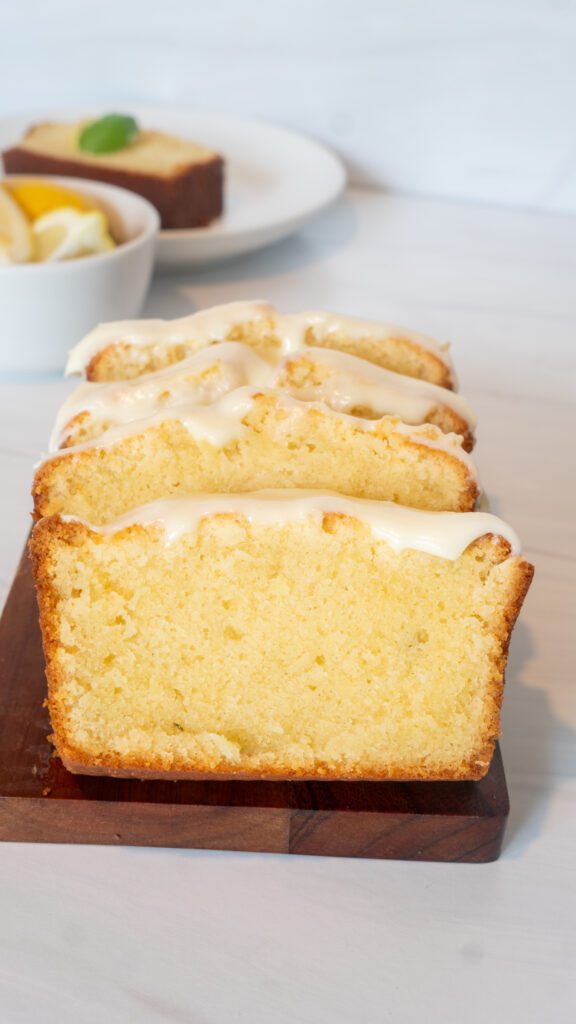
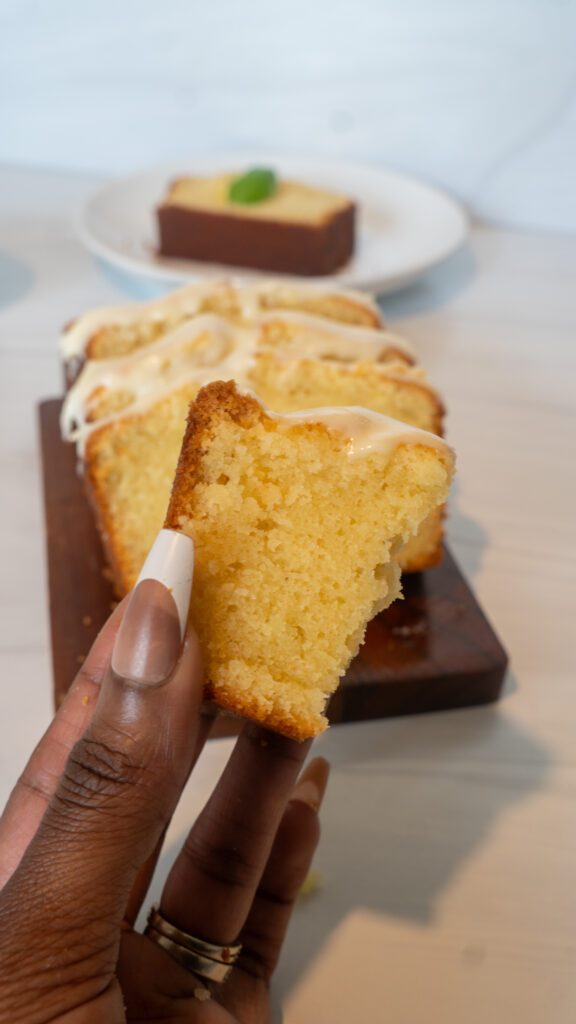
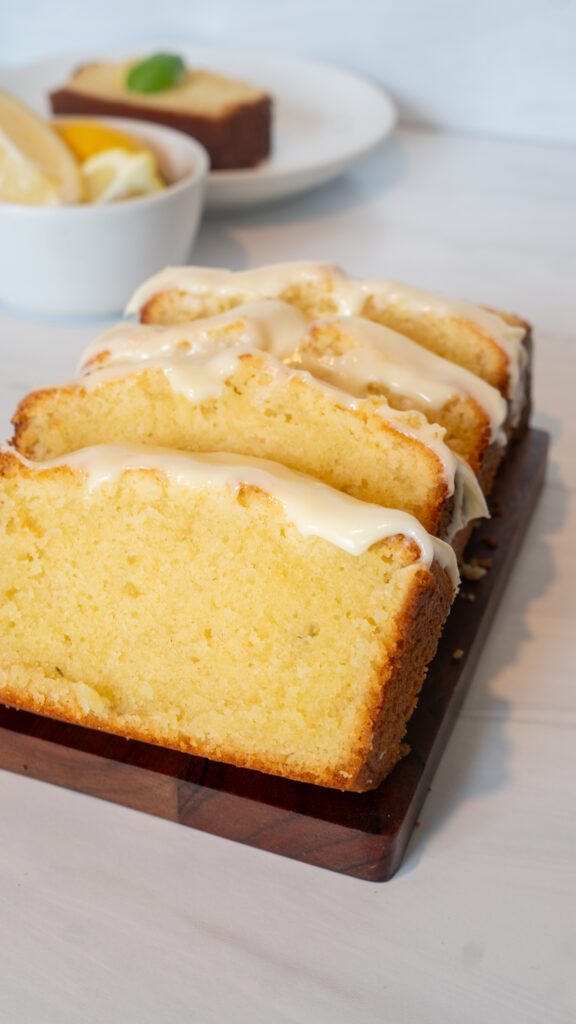
This pound cake recipe is everything spring and summer baking should be, bright, buttery, and bursting with fresh lemon flavor. This recipe is all about that classic Southern comfort that can only be found in a slice of moist, buttery lemon pound cake that is bursting with bright lemon flavor. My family has been baking pound cakes for generations. From the golden crust to the tender crumb, this cake brings a little taste of Southern hospitality to every bite. Whether you enjoy it as a simple loaf with sweet tea, top it with a tangy lemon glaze (scroll down for that recipe) for pound cake, or turn it into iced lemon pound cake cookies, it’s a dessert that’s perfect for Sunday dinners, family gatherings, or just because.
History Behind Southern Lemon Pound Cake
The Southern lemon pound cake, made from scratch, has deep roots in both Southern kitchens and Black culinary traditions. Pound cake came from Britain, made with equal “pounds” of flour, butter, sugar, and eggs. This created a dense, rich dessert.
In the American South, enslaved cooks adapted the recipe using what they had on hand. They whipped eggs or added yeast, making lighter, tender cakes that became uniquely Southern.
Abby Fisher, a freedwoman in South Carolina, documented African American pound cake making in 1881. Her cookbook, What Mrs. Fisher Knows About Old Southern Cooking, included “gold” and “silver” pound cake recipes. These recipes showcased the skill and creativity of Black people in transforming European desserts.
Over generations, pound cake became a staple in Black Southern culture. It appeared at weddings, birthdays, funerals, and family gatherings, much like BBQ or yams. Recipes like Grandma’s old-fashioned lemon pound cake and Southern Living lemon pound cake recipes highlight this heritage.
Today, baking a moist lemon pound cake black people love connects us to that history. Whether as a lemon pound cake loaf, iced lemon pound cake cookies, or with a lemon glaze for pound cake, it carries the flavor, creativity, and resilience of generations past.
How is a pound cake different from a regular cake?
A pound cake is classic Southern comfort, but it’s different from regular cake in several ways. Traditional pound cakes were made with equal “pounds” of flour, butter, sugar, and eggs, which gives them a dense, buttery texture. Regular cakes often use more leavening and less fat, making them lighter and fluffier.
The result? A moist lemon pound cake has a rich, tender crumb and golden crust that holds up well when sliced thick or served as a loaf. Unlike many modern cakes, old-fashioned lemon pound cake relies on simple, quality ingredients rather than fancy techniques or frosting. This makes it perfect for brunch, afternoon tea, or a family gathering where the flavor speaks for itself.
Pound cakes also adapt well. You can turn a lemon pound cake loaf into iced lemon pound cake cookies, or drizzle it with a lemon glaze for pound cake to add sweetness and shine. That versatility and enduring flavor are why pound cake remains a beloved staple in Southern kitchens and Black culinary traditions alike.
Lemon Pound Cake Ingredients
This Southern Lemon Pound Cake is crafted from simple, classic ingredients that come together to create a dense, buttery, and flavorful treat. I like to use ingredients that are easy to find in any pantry, but by combining them thoughtfully, you can turn them into a dessert so delicious that everyone will be begging for your recipe.
Southern Pound Cake Ingredients
1 1/2 cups all-purpose flour –spoon the flour into the measuring cup and level
1 teaspoon baking powder – Adds a slight lift, keeping the cake from being overly dense while still maintaining a classic pound cake texture.
1/2 teaspoon salt – Balances sweetness and enhances flavor.
1 cup unsalted butter (2 sticks), softened to room temperature – soften the butter to room temperature for a smoother butter/sugar mixture
1 cup sugar (I use raw sugar) – Using raw sugar can give a slightly deeper flavor
3 large eggs, at room temperature – Room temperature eggs emulsify better with butter, producing a smooth batter.
1/4 cup sour cream, at room temperature – Adds moisture, tenderness, and a subtle tang that complements the lemon. Room temperature prevents curdling when mixed.
Juice of 1 lemon – Provides bright citrus flavor and reacts slightly with baking powder for lift.
Zest of 1 lemon – Intensifies lemon aroma and flavor without adding extra liquid.
1 teaspoon pure vanilla extract – Enhances sweetness and balances the citrus flavor.
Lemon Glaze Recipe
1 1/2 cups powdered sugar – Forms the base of the glaze and adds sweetness. Sifting prevents clumps for a smooth finish.
2–3 tablespoons fresh lemon juice – Adds acidity and flavor. Start with less and adjust to reach desired consistency.
Optional: 1/2 teaspoon lemon zest – Adds extra brightness and visual appeal.
How to Make Southern Lemon Pound Cake
Making this Southern Lemon Pound Cake is simple, but a few key techniques will ensure it comes out perfectly every time. Follow these steps carefully, and you’ll have a dense, buttery, and flavorful cake with a bright lemon glaze that’s perfect for spring, summer, or any Southern gathering.
Preheat your oven to 325°F. Grease and flour a 9×5 loaf pan or a bundt pan thoroughly to prevent sticking. You can also line the pan with parchment paper for easier removal.
In a large mixing bowl, beat the softened butter and sugar together until light and fluffy. This process incorporates air, which gives the cake structure and a tender crumb. Be patient, the fluffier the mixture, the better the cake texture.
Add the eggs, one at a time, beating well after each addition. Room temperature eggs blend more evenly and help prevent curdling. Avoid overmixing; simply mix until the ingredients are combined.
Stir in the lemon juice, lemon zest, and vanilla extract. These ingredients brighten the cake and balance the richness of the butter.
In a separate bowl, whisk together the flour, baking powder, and salt. Gradually fold the dry ingredients into the wet mixture. Be gentle. Overmixing can develop gluten, resulting in a tougher cake.
Pour the batter into the prepared pan until it is 3/4 full, and smooth the top. Bake for 50–65 minutes, or until a toothpick inserted into the center comes out clean. Baking at a lower temperature ensures the cake cooks evenly and stays moist.
Allow the cake to cool in the pan for 15–20 minutes, then transfer it to a wire rack. Let it cool slightly before pouring the lemon glaze on top so the glaze soaks in but doesn’t run off completely.
How to Make the Lemon Glaze
The lemon glaze is what makes this Southern Lemon Pound Cake truly shine, adding a bright, citrusy finish that seeps into every crack of the golden crust. It’s simple to make but adds a beautiful layer of flavor and sweetness that balances the rich, buttery cake. Next, let’s make the most deliciously easy lemon glaze ever!
In a small bowl, whisk together 1 ½ cups powdered sugar and 2–3 tablespoons fresh lemon juice until smooth. Start with 2 tablespoons of lemon juice and add more gradually until you reach your desired consistency. For extra brightness, stir in ½ teaspoon of lemon zest.
Next, if the glaze is too thick, add a little more lemon juice, a teaspoon at a time, until it drizzles easily. If it is too thin, add more powdered sugar until it reaches the desired thickness.
Finally, pour the glaze over the slightly warm cake so it soaks in but does not completely run off. Use a spatula to gently spread it evenly across the top, allowing it to drip slightly down the sides for a beautiful finish.
Variations, Storage Tips, and FAQs
Even a classic Southern Lemon Pound Cake can be customized slightly without losing its traditional charm. These variations add subtle flair while keeping the cake rich, buttery, and Southern.
Citrus Twist: Add a teaspoon of orange or lime zest along with the lemon for a bright, layered flavor.
Berry Companion: Serve slices with fresh raspberries or blueberries for a seasonal touch.
Nutty Crunch: Sprinkle finely chopped toasted almonds or pecans over the glaze before it sets.
Glaze Flavors: Mix a little orange juice into the lemon glaze for a slightly different citrus note.
Storage Tips
Room Temperature: Wrap the cake tightly in plastic wrap or foil and store at room temperature for up to 3 days.
Refrigeration: Store in an airtight container for up to 5 days. Bring to room temperature before serving for the best texture.
Freezing: Wrap the unglazed cake tightly in plastic wrap, then in foil. Freeze for up to 2 months. Thaw overnight in the fridge before glazing or serving.
FAQs
Q: Can I use a bundt pan instead of a loaf pan? A: Yes! Baking time may be slightly longer. Start checking for doneness at 55 minutes.
Q: Why is my pound cake dense? A: Traditional Southern pound cake is naturally dense, but overmixing or using too much flour can make it heavier. The batter should be smooth and pourable.
Q: Can I skip the lemon glaze? A: Absolutely! The cake will still be rich and buttery, but the glaze adds a bright, citrusy finish that complements the Southern flavors.
Q: How can I keep my pound cake moist? A: Don’t overbake, cover the cake after cooling, and make sure your batter isn’t too dry. Using room temperature eggs, butter, and sour cream helps create a tender cake.
Q: Can I make this cake ahead of time? A: Yes! Bake and cool the unglazed cake, then store it covered. Add the lemon glaze just before serving for the best flavor and presentation.
Q: Can I add mix-ins like berries or nuts? A: Definitely! Fresh berries, blueberries, or finely chopped toasted nuts can be folded into the batter or sprinkled on top of the glaze for extra flavor and texture.
Your batter should be smooth, silky, and easily pour into the pan. Even if you use a pound cake recipe with cream cheese, make sure the batter is wet enough to ensure a moist cake.
There you have it — a classic Southern Lemon Pound Cake from Scratch that is bright, buttery, and perfect for spring and summer gatherings. Whether you are serving it for brunch, as an afternoon snack, or alongside a warm cup of coffee, this cake is sure to become a favorite. Give it a try, and don’t forget to share your results! For more seasonal favorites, check out my Blueberry Lemon Bread or pair this cake with a fresh Apple Walnut Salad for a light, Southern-inspired spread.
This Southern Lemon Pound Cake from scratch is rich, buttery, and bursting with fresh lemon flavor. Topped with a simple lemon glaze, it’s perfect for spring and summer brunches, afternoon snacks, or a slice alongside your morning coffee. Made with simple pantry ingredients, this classic Southern pound cake is dense, tender, and full of sunshine in every bite.
Ingredients
Scale
Southern Lemon Pound Cake
1 1/2 cups all-purpose flour
1 teaspoon baking powder
1/2 teaspoon salt
1 cup unsalted butter (2 sticks), softened & room temperature
Preheat the oven to 325°F. Grease and flour a 9×5 loaf pan or bundt pan. Line with parchment paper for easier removal if desired.
In a large bowl or stand mixer, beat the softened butter and sugar until light and fluffy. This incorporates air for a tender crumb.
Add the eggs one at a time, then stir in the vanilla extract. Mix until just combined.
Stir in the fresh lemon juice and lemon zest for bright, citrusy flavor.
In a separate bowl, whisk together the flour, baking powder, and salt.
Gently fold the dry ingredients into the wet mixture until just combined. Do not overmix. Then fold in the sour cream for moisture and tenderness.
Pour the batter into the prepared pan. Bake for 50–65 minutes, or until a toothpick inserted in the center comes out clean. Let the cake cool in the pan for 15–20 minutes, then transfer to a wire rack.
In a small bowl, whisk together 1 ½ cups powdered sugar, 2–3 tablespoons fresh lemon juice, and, optionally, ½ teaspoon lemon zest until smooth. Adjust consistency by adding more powdered sugar or lemon juice as needed.
Pour the glaze over the slightly warm cake, letting it soak in and drip down the sides. Allow the glaze to set before slicing.
Notes
Room temperature ingredients: Always use butter, eggs, and sour cream at room temperature. This helps the batter mix smoothly and prevents curdling.
Do not overmix: Once the flour is added, fold gently. Overmixing develops gluten, which can make the cake tough.
Measuring flour: Spoon flour into your measuring cup and level it off for accuracy. Too much flour can dry out the cake.
Check for doneness: Insert a toothpick into the center of the cake. It should come out clean or with just a few crumbs attached. Avoid overbaking to keep the cake moist.
Lemon zest & juice: Use fresh lemons for the brightest flavor. Bottled juice or pre-grated zest can taste flat.
Glaze: Add lemon juice gradually to reach your preferred thickness. Pour while the cake is slightly warm so it absorbs without making the cake soggy.
Storage: Wrap tightly in plastic wrap or foil. Store at room temperature for up to 3 days, in the fridge up to 5 days, or freeze unglazed for up to 2 months. Thaw before glazing.
The lemon cake is the best recipe that I have found. My whole family enjoys the cake and icing that goes with the cake is the best part. It puts the wow in the overall flavor.👀



 Get Recipe Ingredients





The lemon cake is the best recipe that I have found. My whole family enjoys the cake and icing that goes with the cake is the best part. It puts the wow in the overall flavor.👀
Hi Melonie! Thank you so much for your comment. I am happy to hear how much you and your family enjoy my recipe. 💕